I know talking about poop may seem a little awkward to some people, but the reality is that knowing if your poop is normal is important to help you know if you have a serious digestive problem.
Generally, healthy poop is more likely to sink rather than float. The buoyancy of feces can be influenced by several factors, including its composition, fiber content, and fat content.
Typically, poop sinks because it contains a significant amount of water. The water content helps to consolidate the waste materials and make them denser, causing them to sink in the toilet bowl.
However, certain dietary factors can make poop float. One such factor is high-fat content. When you consume foods rich in fats, they can interfere with the absorption of water from the intestines, leading to fatty or greasy stools that are more likely to float.
Moreover, an increase in gas production within the digestive system can also contribute to floating poop. This can be caused by factors like excessive gas ingestion, bacterial fermentation of undigested carbohydrates, or certain medical conditions.
Though changes in stool consistency and appearance can sometimes be attributed to diet and temporary digestive issues, persistent changes or unusual stool characteristics should be discussed with a healthcare professional. They can help diagnose any underlying conditions or provide appropriate guidance.
Certain foods are good for your cholesterol and your heart health. Some have direct effects on reducing LDL and/or triglycerides. Others are more filling and, if they’re low in calories, help with weight loss. Importantly, by consuming these healthier options, you’re limiting other foods that adversely affect your cholesterol and heart health. Maintaining healthy cholesterol levels is important for overall cardiovascular health. Here are some foods that can help improve your cholesterol profile
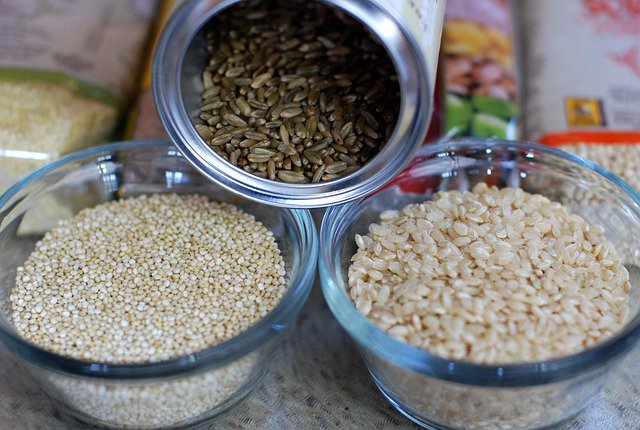
Oats and Whole Grains: Oats contain a type of soluble fiber called beta-glucan, which can help lower LDL cholesterol levels. Include whole grains like barley, quinoa, brown rice, and whole wheat bread in your diet. Higher fiber intake is associated with better cardiovascular health and weight control, lower total cholesterol and blood pressure, and a reduced risk of type 2 diabetes and certain cancers.
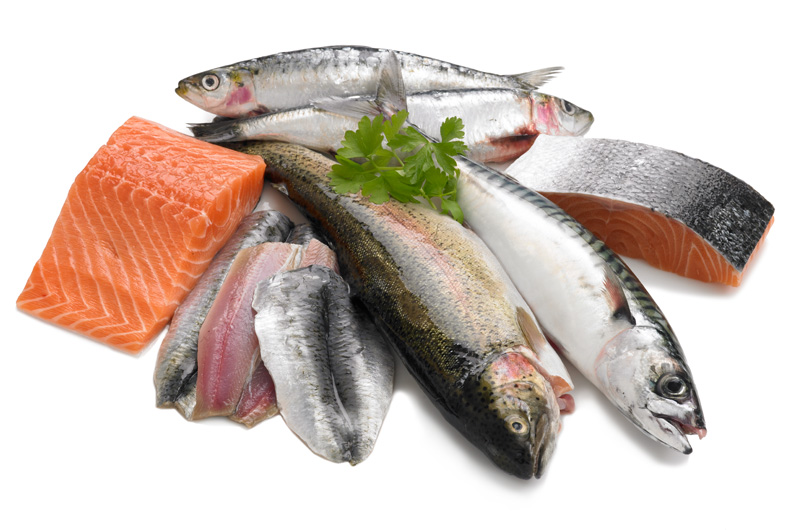
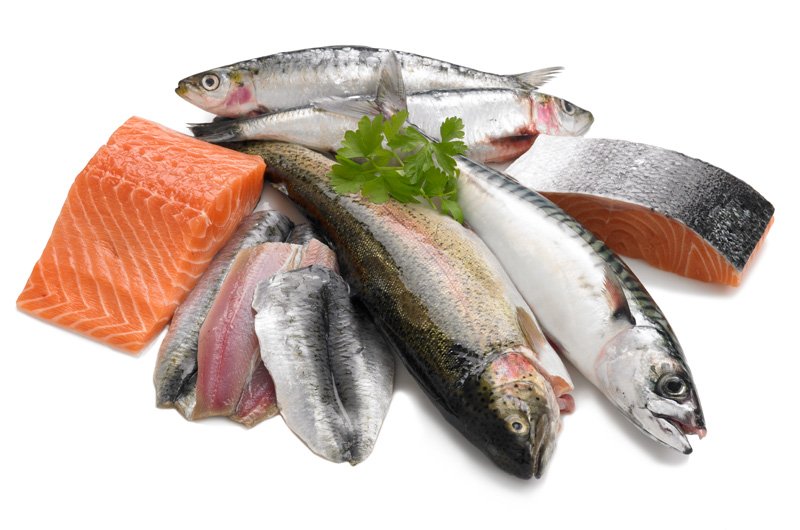
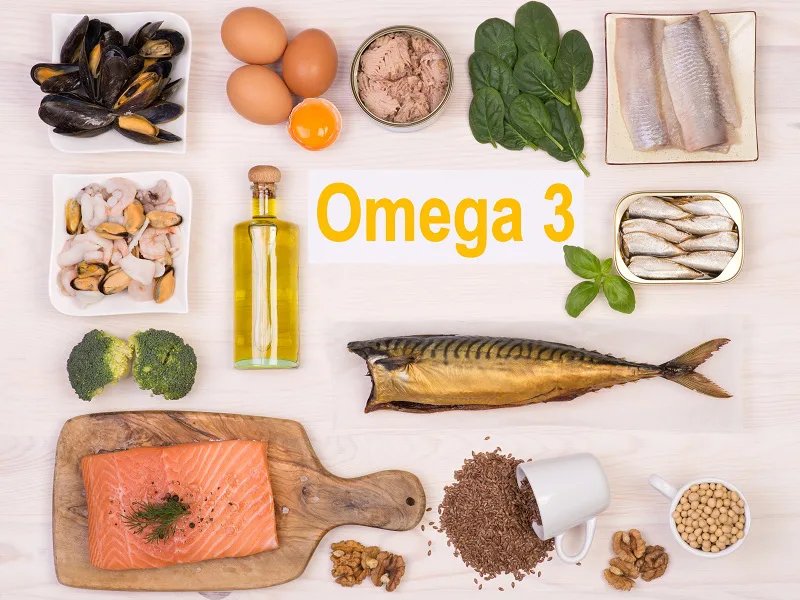
Fatty Fish: Omega-3 fatty acids found in fish like salmon, mackerel, sardines, and trout have been shown to reduce triglyceride levels and increase HDL cholesterol. Aim for at least two servings of fatty fish per week. Cold-water fatty fish—such as halibut, herring, and tuna are also among the richest sources of the omega-3 fatty acids EPA and DHA. These polyunsaturated fats are associated with good cardiovascular health and may help lower triglycerides. Plus, baked, grilled, or poached fish generally are more healthy choices than fatty red or processed meats
Nuts and Seeds: Almonds, walnuts, flaxseeds, chia seeds, and hemp seeds are rich in healthy fats, fiber, and plant sterols, which can help lower LDL cholesterol levels. Incorporating nuts and seeds in your diet, especially in place of unhealthy fat sources, may help improve your cholesterol levels and support your cardiovascular health, some evidence suggests. One study found that eating peanuts or tree nuts twice or more a week or walnuts at least once a week was linked with a 15 to 23 percent reduced risk of coronary heart disease and a 13 to 19 percent decreased risk of cardiovascular disease.
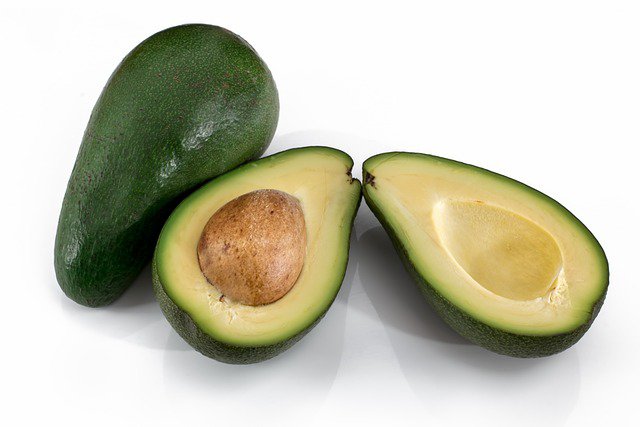
Avocados: Avocados are a great source of monounsaturated fats, which can help increase HDL cholesterol and lower LDL cholesterol when used as a substitute for saturated fats. In one study, obese/overweight people who ate a moderate-fat diet with one Hass avocado a day for five weeks experienced 9-percent reductions in oxidized LDL (which plays a key role in atherosclerosis) that also correlated with reductions in the number of small, dense LDL particles (The Journal of Nutrition, February 2020). Incorporate avocados into salads and on sandwiches, as well as stand-alone side dishes. Just remember that one avocado has about 230 calories, so be aware of what that can do to your daily calorie count.
Soy Products: Foods like tofu, and tempeh contain plant compounds called isoflavones that can help lower LDL cholesterol. Choose minimally processed soy products.
Green and Black Tea: Green tea is prepared from unfermented leaves and black tea from fully fermented leaves of the same plant. Green tea is rich in antioxidants and has been associated with improved cholesterol levels. Black tea can also have a positive impact on cholesterol but to a lesser extent than its green variant. This is mainly because of the different amounts of catechins in the teas. Aim for 2-3 cups per day.
Remember, while these foods can be beneficial for cholesterol, it’s also important to adopt an overall healthy lifestyle that includes regular physical activity, avoiding smoking, and maintaining a healthy weight. Additionally, if you have specific dietary concerns or medical conditions, it’s always a good idea to consult with a healthcare professional or a registered dietitian.
Including anti-inflammatory foods in your diet can have numerous health benefits. While there isn’t a specified list of the “most” anti-inflammatory foods, here are five commonly recognized foods known for their anti-inflammatory properties:
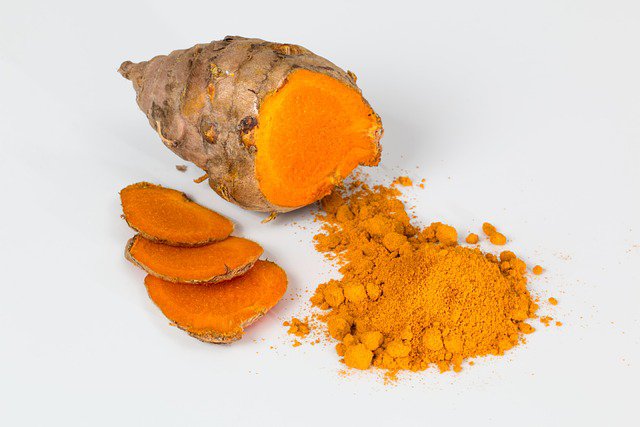
Turmeric: Turmeric contains a compound called curcumin, which has potent anti-inflammatory effects. It can help reduce inflammation in the body and alleviate symptoms associated with chronic conditions like arthritis.
Ginger: Ginger has been used for centuries as a natural remedy for inflammation. It contains gingerol, which has anti-inflammatory and antioxidant properties. Ginger can be consumed fresh, powdered, or as a tea.
Berries: Berries such as strawberries, blueberries, and raspberries are rich in antioxidants that combat inflammation. They contain anthocyanins, which have been shown to reduce markers of inflammation in the body.
Fatty fish: Fatty fish like salmon, mackerel, and sardines are excellent sources of omega-3 fatty acids. These healthy fats have anti-inflammatory effects and can help reduce inflammation in the body. Aim for two servings of fatty fish per week.
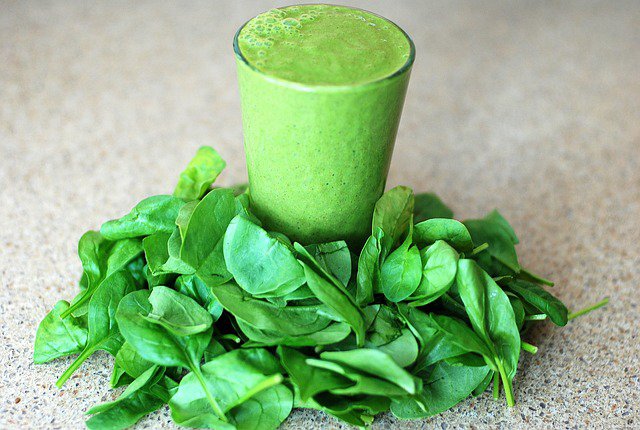
Leafy greens: Leafy green vegetables like spinach, kale, and Swiss chard are packed with nutrients and antioxidants. They contain high amounts of vitamins, minerals, and phytochemicals that possess anti-inflammatory properties.
Remember that maintaining a balanced diet overall is essential for good health. Incorporating these foods, along with other nutritious options, can contribute to an anti-inflammatory eating pattern.
There is some evidence to suggest that low levels of vitamin D may be associated with an increased risk of depression or depressive symptoms. Vitamin D is an essential nutrient that plays a crucial role in various bodily functions, including brain health. However, it’s important to note that the relationship between vitamin D and depression is complex, and low vitamin D levels may not be the sole cause of depression.
Several studies have found an association between low vitamin D levels and depression, but it’s difficult to establish a direct cause-and-effect relationship. It is possible that low vitamin D levels contribute to the development or worsening of depression, but it’s also possible that depression itself leads to lower vitamin D levels due to lifestyle factors or changes in behavior, such as reduced sun exposure and decreased physical activity.
Moreover, other factors can contribute to depression, including genetics, life events, stress, neurotransmitter imbalances, and other nutritional deficiencies. Therefore, it’s important to consider these factors in conjunction with vitamin D levels when evaluating the potential causes of depression.
If you suspect that your vitamin D levels might be low and are experiencing symptoms of depression, it is recommended to consult a healthcare professional. They can assess your symptoms, conduct appropriate tests, and provide guidance on treatment options, which may include increasing your vitamin D intake through diet, supplements, or sunlight exposure. Additionally, they can help determine if there are other factors contributing to your depression and recommend appropriate interventions.
While there isn’t a specific fruit that exclusively targets belly fat, incorporating certain fruits into your diet especially after dinner can contribute to overall weight loss and a healthy body composition. Here are some fruits that are generally considered beneficial for weight management and digestion:
Apples: Apples are rich in fiber and low in calories, making them a great choice for promoting satiety and aiding digestion.
Berries: Berries like blueberries, strawberries, raspberries, and blackberries are packed with antioxidants and fiber. They can help control your appetite and improve metabolic health.
Grapefruit: Grapefruit has been associated with weight loss due to its high water content and fiber content, which can help you feel fuller for longer.
Pears: Pears are another excellent source of dietary fiber and can support healthy digestion and weight management.
Kiwi: Kiwi is a nutrient-dense fruit that provides fiber and essential vitamins. It also has a natural enzyme called actinidin that aids in digestion.
Watermelon: Watermelon is low in calories and high in water content, making it a hydrating and refreshing fruit choice. It can also help control your appetite.
Remember that while these fruits can contribute to a healthy diet, the overall key to losing belly fat is a balanced diet combined with regular physical activity. Including a variety of fruits and vegetables, along with other nutritious foods, will provide you with the best results. It’s also essential to consult a healthcare professional or a registered dietitian for personalized advice based on your specific needs and goals.
As much as we rely on food for nourishment and pleasure, it is important to remember that what we eat can also have a significant impact on our mental and emotional well-being. Some foods are known to trigger stress, anxiety, and even depression in some individuals.
Here are some foods that could be stressing you out:
Caffeine: While caffeine can give you a much-needed boost of energy, it can also lead to jitters, anxiety, and irritability. For some people, consuming caffeine late in the day can also interfere with sleep, leading to additional stress and fatigue.
Sugar: Foods that are high in sugar, such as candy, soda, and pastries, can cause your blood sugar levels to spike and then crash, leaving you feeling irritable and fatigued. This rollercoaster effect can contribute to stress and mood swings.
Alcohol: While a glass of wine or a beer may help you relax in the short term, excessive alcohol consumption can lead to anxiety and depression. Alcohol can also disrupt your sleep, leaving you feeling stressed and groggy the next day.
Fried and processed foods: Highly-processed foods are also associated with increased systemic inflammation. Foods that are high in unhealthy fats, such as fried chicken and potato chips, can contribute to inflammation in the body. Inflammation has been linked to a range of mental health conditions, including anxiety and depression. This isn’t just about the occasional slice of pizza or dish of ice cream. Those may actually relieve stress in other ways—for example, by socializing with friends and family, or making us feel good when we eat them. Rather, the nutritional stress comes from:
Eating a lot of highly-processed foods in total
Having those foods make up a large proportion of your diet (that is, more than an occasional treat)
Dairy: For some people, consuming dairy products can lead to digestive issues, such as bloating and cramping. These physical symptoms can contribute to stress and anxiety.
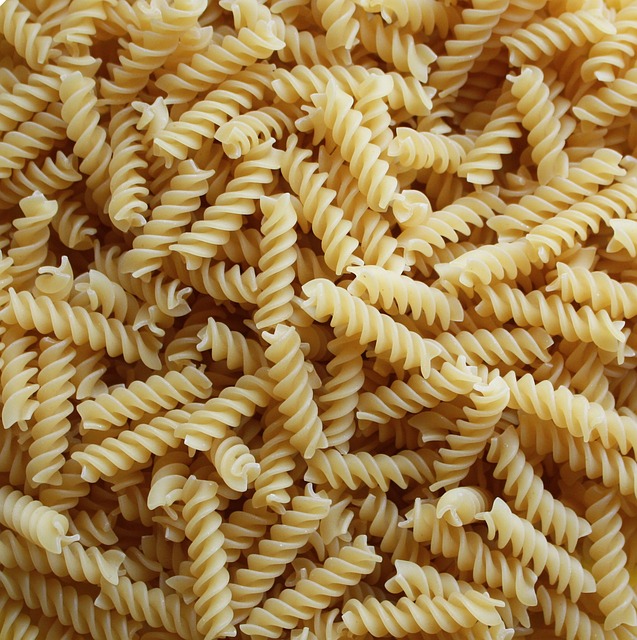
Gluten: People with celiac disease or gluten sensitivity may experience anxiety and depression when consuming gluten-containing foods, such as bread and pasta. This is due to the way gluten interacts with the gut and the brain.
While everyone’s body reacts differently to food, it’s worth paying attention to how the foods you eat make you feel. If you notice that certain foods consistently leave you feeling stressed or anxious, it may be worth considering reducing or eliminating them from your diet.
The popular saying “an apple a day keeps the doctor away” is a well-known English proverb that has been around for a very long time. The phrase literally suggests that eating an apple every day can help to maintain good health and prevent the need to visit a doctor.
While it’s unlikely that simply eating an apple each day will prevent all health problems, there is some truth to the idea that a healthy diet can help to keep us healthy. Apples are a good source of fiber, vitamins, and antioxidants, which can all contribute to our overall health and well-being.
Here are some of the benefits of eating an apple once a day:
Improved digestion: Apples are high in fiber, which can help improve digestion and prevent constipation.
Weight management: Apples are low in calories and high in fiber, which can help you feel full and reduce your overall calorie intake.
Heart health: Apples contain antioxidants and flavonoids that can help reduce the risk of heart disease by reducing inflammation and lowering cholesterol levels.
Brain function: Apples are rich in antioxidants, which can help protect the brain from oxidative stress and improve cognitive function.
Strong immune system: Apples are a good source of vitamin C, which is essential for a healthy immune system.
Healthy teeth and gums: Eating apples can help stimulate saliva production, which can help neutralize bacteria in the mouth and prevent tooth decay.
Overall, eating an apple once a day is an easy and delicious way to improve your health and well-being. So next time you’re looking for a healthy snack, reach for an apple instead!
My colleague at work always complains about how much time I spend to eat and I always tell her, “Cos I practice mindful eating”. I sit, take time to feel, bite, chew, and swallow food, this way I get to appreciate how nice the food is with my senses at play. This is how I get to experience foodgasm
Simply put, mindful eating is about cultivating a deeper connection with your body and your food. It involves slowing down and savoring each bite, paying attention to the flavors, textures, and smells of your food. It also involves being aware of your hunger and fullness cues, and learning to eat in a way that nourishes your body and supports your health.
Here are some tips for practicing mindful eating:
Pay attention to your food: When you sit down to eat, focus your attention on the food in front of you. Notice the colors, textures, and smells of your food. Take small bites and savor each one, paying attention to the flavors and sensations in your mouth.
Eat slowly: Mindful eating involves slowing down and taking your time with your food. This can help you to feel more satisfied and reduce the likelihood of overeating. Try taking a few deep breaths before continuing.
Tune in to your body: Pay attention to your body’s hunger and fullness cues. Notice how your body feels as you eat and how satisfied you feel after each meal. This can help you to make more informed decisions about when and how much to eat.
Minimize distractions: Mindful eating is about being fully present, aware and focused on your food. Try to minimize distractions, such as television or your phone, during meals. This can help you to stay tuned in to your body’s cues and enjoy your food
Practice gratitude: Take a moment before eating to express gratitude for your food and the nourishment it provides. This will help you to cultivate a deeper appreciation for your food
Overall, mindful eating is a practice that can help you to develop a healthier relationship with food and your body. By tuning in to your body’s cues and paying attention to the experience of eating, you can learn to make more informed decisions about what and how you eat, and develop a greater sense of satisfaction and enjoyment in the process.
Reducing your salt intake can be beneficial for your health, as excessive salt consumption has been linked to high blood pressure and an increased risk of other cardiovascular disease like stroke.
Here are some tips for cutting down on salt:
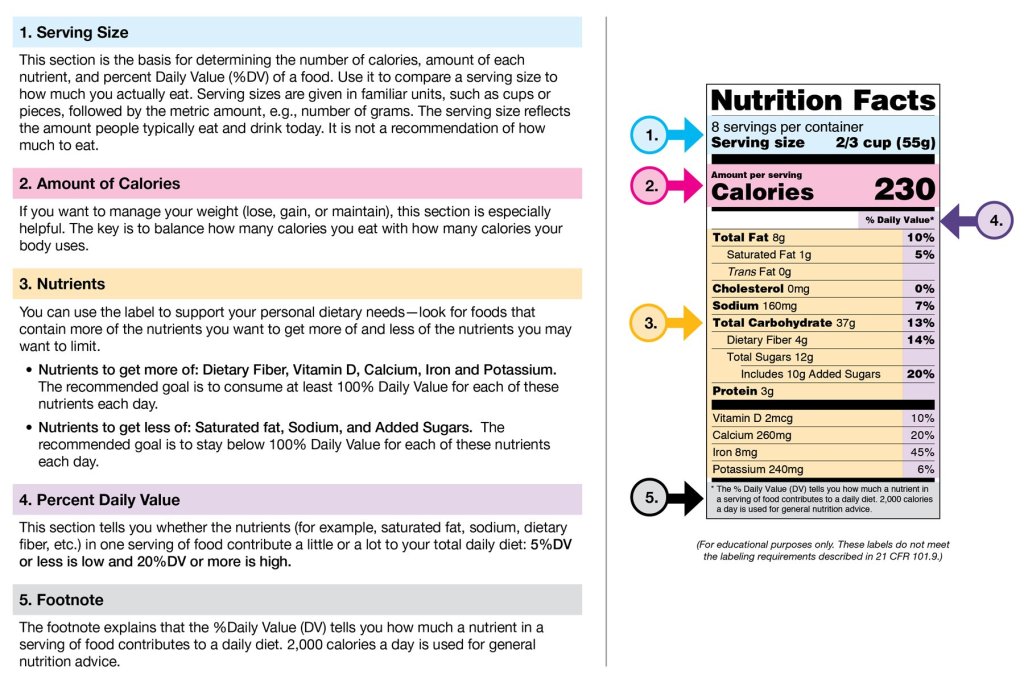
Read food labels: Most processed foods are high in salt, so make sure to read the labels where the nutritional facts is listed or the part about ingredients before buying. Choose low-sodium or no-salt-added options whenever possible.
Cook at home: Cooking your own meals allows you to control the amount of salt you use. Use herbs, spices, and other seasonings to add flavor and taste to your dishes instead of salt.
Use less salt when cooking: Gradually reduce the amount of salt you add to your dishes when cooking. Over time, your taste buds will adjust to the lower levels of salt.
Avoid salty snacks: Instead of going for salty snacks, choose fresh fruits and vegetables or unsalted nuts.
Be mindful when eating out: Restaurant chain meals and Fast food meals are often high in salt. Ask your waitress if there are low-sodium options available. You can also ask for your dish to be prepared without salt or with less salt.
Stay hydrated: Drinking enough water can help flush excess salt out of your system.
Avoid placing salt on the table when dining. This way you are not tempted to add more salt to food
Remember, reducing your salt intake is a gradual process, and it can take some time for your taste buds to adjust to the lower levels of salt. But the benefits to your health are worth it.
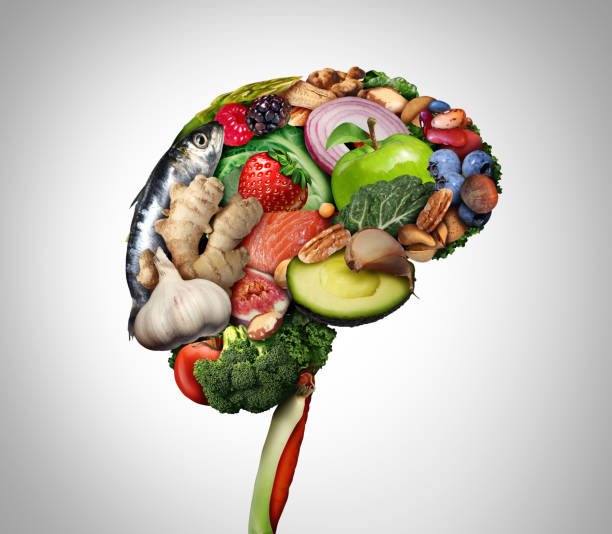
The brain is one of the most complex organs in the human body, and it requires a lot of energy to function properly. What we eat has a direct impact on the health and function of our brains, and there is a growing body of research that suggests that our diet can have a significant impact on our cognitive abilities, mood, and overall mental health.
One of the key components of a brain-healthy diet is a good balance of macronutrients, including carbohydrates, protein, and fat. Carbohydrates provide glucose, which is the brain’s primary source of energy. However, it’s important to choose complex carbohydrates, such as whole grains and vegetables, which are digested more slowly and provide a more sustained source of energy. Protein is also important for the brain, as it provides the building blocks for neurotransmitters, which are essential for communication between brain cells. Finally, healthy fats, such as those found in nuts, seeds, and fatty fish, are important for brain function and can help improve mood and cognitive function.
In addition to macronutrients, certain micronutrients are also important for brain health. For example, omega-3 fatty acids, which are found in fatty fish and certain plant-based foods, have been shown to be important for cognitive function and mood regulation. B vitamins, including folate, B6, and B12, are also important for brain health, as they play a role in neurotransmitter synthesis and can help reduce the risk of cognitive decline and dementia.
On the other hand, diets that are high in saturated and trans fats, sugar, and processed foods have been linked to a variety of negative health outcomes, including cognitive decline, depression, and anxiety. These types of foods can cause inflammation in the body, which can lead to damage to brain cells and impair cognitive function.
It’s also important to note that the timing and frequency of meals can impact brain function. Research suggests that skipping meals or eating irregularly can lead to cognitive impairment, while eating frequent, small meals throughout the day can help maintain steady glucose levels and improve cognitive function.
In summary, what we eat has a direct impact on the health and function of our brains. A diet that is rich in complex carbohydrates, healthy fats, and lean protein, and includes plenty of fruits, vegetables, and whole grains, is essential for maintaining optimal brain health. Conversely, diets that are high in saturated and trans fats, sugar, and processed foods can lead to inflammation, cognitive decline, and other negative health outcomes. By paying attention to what we eat, we can help support our brain health and cognitive function throughout our lives.































 Stay Healthy with Asantewaa