10 Benefits of Strength Training for the Body

Yes, strength training has been shown to potentially reduce age-related cellular damage and promote overall health as we age. Generally, regular exercise can have positive effects on various aspects of cellular function and can contribute to better aging outcomes

Strength training exercises are important for several reasons:

1. Muscle Strength and Mass

Strength training helps increase muscle strength and mass, which is crucial for daily activities, maintaining posture, and preventing muscle loss that occurs with age.

2. Metabolism Boost

Building muscle through strength training can lead to an increase in resting metabolic rate, aiding in weight management and fat loss.

3. Bone Health

Strength training helps enhance bone density, reducing the risk of osteoporosis and fractures, especially in older adults.

4. Joint Health

Strengthening muscles around joints provides better support, reducing the risk of injuries and improving joint stability.

5. Functional Fitness

It enhances functional fitness, allowing you to perform everyday tasks with ease and reducing the risk of injuries during daily activities.

6. Aging and Longevity

Strength training can slow down age-related muscle loss, improve balance, and help maintain independence and quality of life as you age.

7. Cardiovascular Health

Some strength training routines can provide cardiovascular benefits by increasing heart rate and improving circulation.

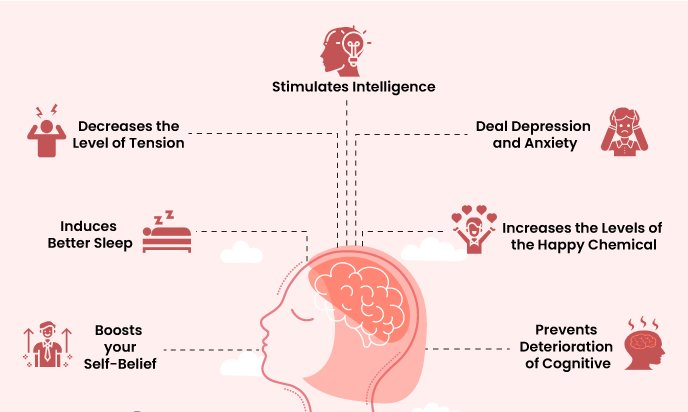
8. Mental Health

Engaging in regular strength training can lead to improved mood, reduced stress, and enhanced cognitive function.
9. Insulin Sensitivity

Strength training can improve insulin sensitivity, helping regulate blood sugar levels and reducing the risk of type 2 diabetes.

10. Injury Prevention

Strengthening muscles and connective tissues can help prevent injuries by providing better support and stability to your body.

Remember to start with proper technique and gradually increase intensity to avoid injury. Consulting a fitness professional or healthcare provider before beginning any new exercise routine is recommended, especially if you have pre-existing health conditions.


Try These 6 Probiotic Superfoods for a Healthy Gut

Probiotics are naturally found in certain foods, especially fermented foods like yogurt, kefir, sauerkraut, kimchi, kombucha, and others. They can be consumed as whole meals or in the form of dietary supplements, which are available in various strains and concentrations. Probiotic foods contain beneficial bacteria like Lactobacillus and Bifidobacterium species that can help support a healthy gut microbiome. Here are six probiotic superfoods you need to try:

Yogurt

Yogurt is one of the most well-known probiotic foods. It is made by fermenting milk with specific strains of bacteria, such as Lactobacillus and Bifidobacterium. Look for plain yogurt with live and active cultures to maximize the probiotic benefits.

Kefir

Kefir is a fermented milk drink that is similar to yogurt but has a thinner consistency. It is also rich in beneficial bacteria and yeast. Kefir is often well-tolerated by those who are lactose intolerant since the bacteria in kefir help digest lactose.

Sauerkraut

Sauerkraut although the name is German, ‘Sauer’ which means sour, and ‘kraut’ which means cabbage was invented by Chinese. It is made from fermented cabbage and is a popular probiotic food. It is high in fiber, vitamins, and minerals. Look for unpasteurized sauerkraut, as pasteurization can kill the beneficial bacteria.

Kimchi

Kimchi is a traditional Korean dish made from fermented vegetables, mainly cabbage and radishes, seasoned with spices. It contains various strains of lactic acid bacteria, which contribute to its probiotic properties. Kimchi is not only a probiotic food but also a good source of vitamins and antioxidants.

Kombucha

Kombucha originated in Northeast China. It is a fermented tea that is produced by fermenting sweetened black or green tea with a symbiotic culture of bacteria and yeast (SCOBY). It contains a variety of probiotic strains and is often enjoyed as a refreshing, fizzy beverage.

Miso

Miso is a traditional Japanese seasoning made from fermented soybeans, rice, or barley. It’s commonly used in soups and other dishes. Miso contains probiotic strains like Lactobacillus and can be a valuable addition to your diet for gut health.

Remember, when choosing probiotic foods, it’s essential to opt for products that contain live and active cultures, as some processing methods can kill the beneficial bacteria. Additionally, individual probiotic needs may vary, so it’s a good idea to consult with a healthcare professional for personalized recommendations

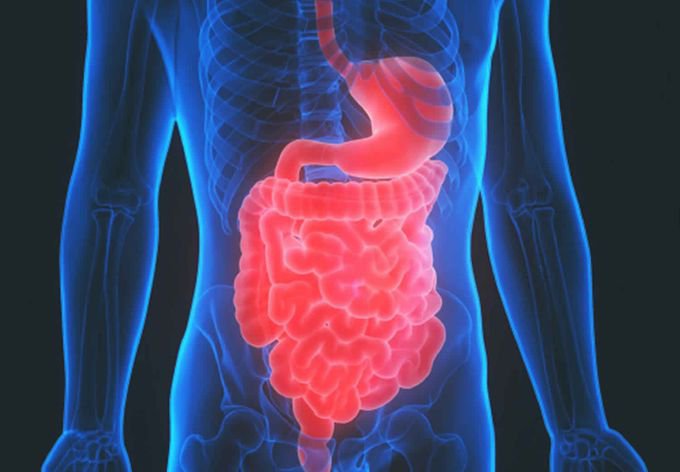
This is What Happens to your Brain and Body when you Eat Late

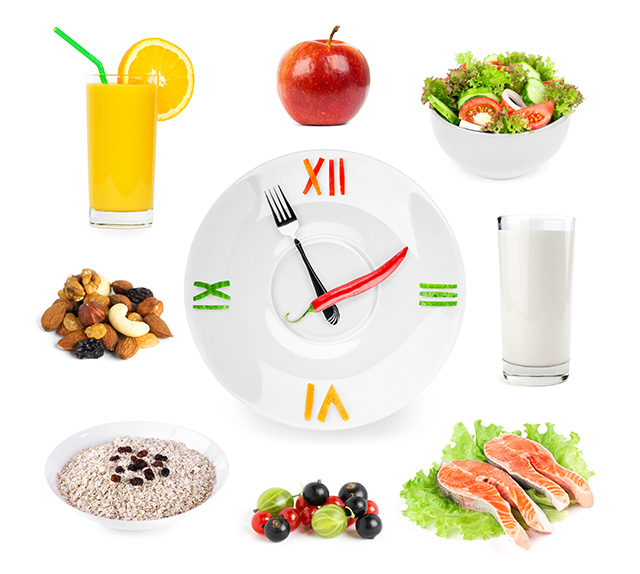
Eating late at night can potentially have various effects on the brain and body. I know it can be very difficult for some people to stop eating late at night because of the nature of their work. But let me ask you, which is more important to you, your health or your work? In case you didn’t know what happens to your brain and body when you eat late here are a few:

1. Digestion and Metabolism:

When you eat late, your body initiates the process of digestion, which requires energy and resources. This can potentially disrupt your natural circadian rhythm, ( this is the internal clock that regulates various physiological processes), including sleep. Late-night eating may lead to a slower metabolism and impaired digestion due to reduced activity levels during nighttime.

2. Sleep Disturbances:

Consuming a large meal close to bedtime can make it difficult to fall asleep. It can also disrupt the quality of your sleep. Digestion requires energy, and your body may be more active during the night to process the food, potentially leading to restlessness, discomfort, or indigestion that interferes with sleep.

3. Blood Sugar Regulation:

Eating late, especially meals high in refined carbohydrates or sugars can cause spikes in blood sugar levels. The body releases insulin to help regulate blood sugar, which can affect neurotransmitter levels and potentially impact brain function. Fluctuating blood sugar levels may contribute to mood swings, decreased cognitive function, and increased risk of developing insulin resistance over time.

4. Weight Management:

Late-night eating can lead to weight gain or difficulties in weight management. The body’s metabolism naturally slows down in the evening, and eating excess calories late at night may result in increased fat storage. Also, certain hormonal changes associated with disrupted sleep patterns can affect appetite regulation and increase cravings for unhealthy foods.

5. Cognitive Performance:

Eating late at night may impact cognitive performance the next day. The disrupted sleep, inadequate rest, or discomfort caused by late-night digestion can lead to decreased focus, impaired memory, and reduced overall cognitive function.

It is important to note that individual responses to late-night eating can vary, and sometimes late meals may not have a significant impact on everyone. However, having a consistent eating pattern and allowing an adequate gap between meals and sleep is generally advised for maintaining overall health and well-being.

Stop These Habits Now For a Better Blood Sugar Balance

Maintaining a healthy blood sugar balance is necessary for your overall well-being, especially for individuals with diabetes or those at risk of developing it. To improve your blood sugar balance, it is important to eliminate or minimize certain habits that can negatively impact your glucose levels. Here are some habits to stop:

1. Consuming sugary drinks and snacks:

Sugary beverages like soda, fruit juices, and energy drinks can cause rapid spikes in blood sugar levels. Also, processed snacks, candies, and desserts high in added sugars can have the same effect. Opt for water, herbal tea, or unsweetened beverages, and choose whole, unprocessed foods instead.

2. Overeating and large portion sizes:

Overeating, especially foods high in carbohydrates, can overload your body with glucose, leading to elevated blood sugar levels. Practice portion control and listen to your body’s hunger and fullness cues to avoid excessive calorie intake.

3. Skipping meals:

Skipping meals, especially breakfast, can disrupt your blood sugar balance. Regular, balanced meals and snacks help maintain steady glucose levels throughout the day. Aim for three balanced meals a day and incorporate healthy snacks if needed.

4. Sedentary lifestyle:

Lack of physical activity can negatively impact blood sugar control. Regular exercise helps improve insulin sensitivity and glucose metabolism. Engage in activities you enjoy, such as walking, jogging, cycling, or any form of aerobic exercise, for at least 150 minutes per week.

5. Stress and poor sleep:

Chronic stress and inadequate sleep can contribute to imbalanced blood sugar levels. Find healthy coping mechanisms for stress, such as meditation, deep breathing exercises, or engaging in hobbies. Prioritize quality sleep by establishing a consistent sleep schedule and creating a relaxing bedtime routine.

6. Smoking and excessive alcohol consumption:

Smoking and excessive alcohol intake can interfere with your body’s insulin response and glucose regulation. Quitting smoking and reducing alcohol consumption are important steps for better blood sugar control.

7. Relying on processed and refined carbohydrates:

Foods high in refined carbohydrates, such as white bread, white rice, and sugary cereals, can cause rapid blood sugar spikes. Replace them with whole grains, such as brown rice, quinoa, and whole wheat bread, which have a lower glycemic index that provides more nutrients and fiber.

8. Not monitoring your blood sugar levels:

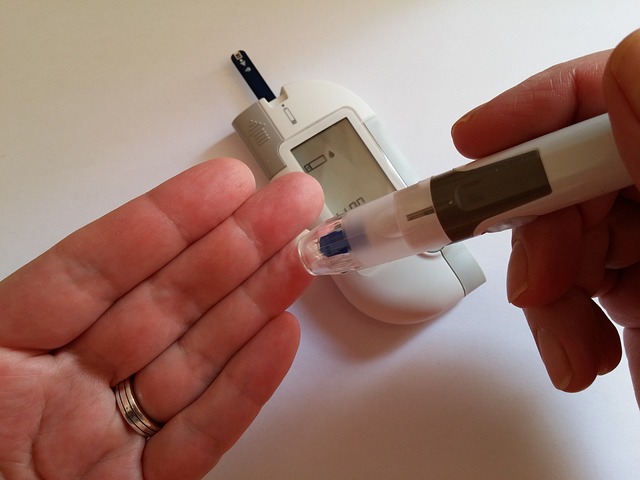
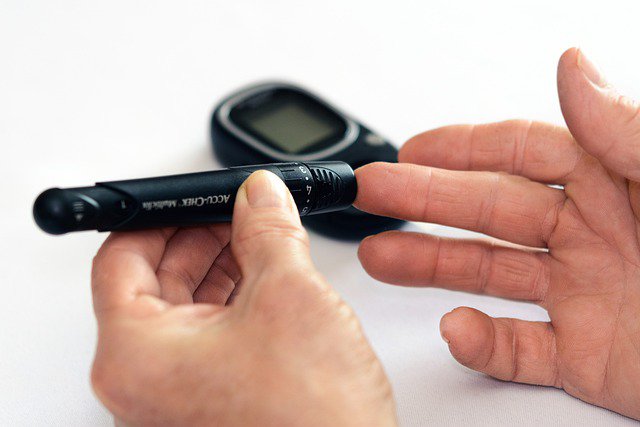
Regularly monitoring your blood sugar levels allows you to understand how your body responds to different foods, activities, and medications. It helps you make informed decisions about your diet and lifestyle choices.

Remember, it’s always advisable to consult with a healthcare professional or a registered dietitian who specializes in diabetes management for personalized advice and guidance tailored to your specific needs.

8 Healthiest Protein-rich Foods That Support Weight Loss

When it comes to weight loss, incorporating protein-rich foods into your diet can be beneficial. Protein helps you feel fuller for longer, increases your metabolism, and supports muscle growth and repair. Here are eight healthy protein-rich foods that can aid in weight loss:

Eggs: Eggs are an excellent source of high-quality protein. They are also packed with essential nutrients and healthy fats. Including eggs in your breakfast can help control your appetite throughout the day.

Chicken breast: Chicken breast is a lean source of protein that is low in calories and fat. It can be prepared in various ways and is versatile enough to be included in a range of healthy meals.

Greek yogurt: Greek yogurt is an excellent source of protein, and it also contains probiotics, which promote a healthy gut. Choose plain, unsweetened Greek yogurt to avoid added sugars.

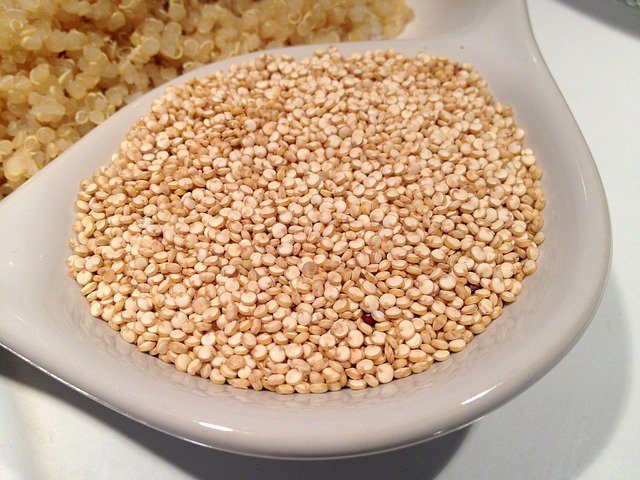
Quinoa: Quinoa is a nutritious grain that is rich in protein. It is also high in fiber, which aids in digestion and helps you feel full. Swap out refined grains like white rice for quinoa in your meals.

Lentils: Lentils are a type of legume that provides a good amount of protein and fiber. They are low in fat and are a great addition to soups, salads, and side dishes.

Fish: Fatty fish like salmon, tuna, and mackerel are not only rich in protein but also contain omega-3 fatty acids, which have numerous health benefits. Omega-3s can help reduce inflammation, improve heart health, and support weight loss.

Cottage cheese: Cottage cheese is a low-fat cheese that is high in protein. It can be eaten on its own or added to salads, smoothies, or healthy snacks.

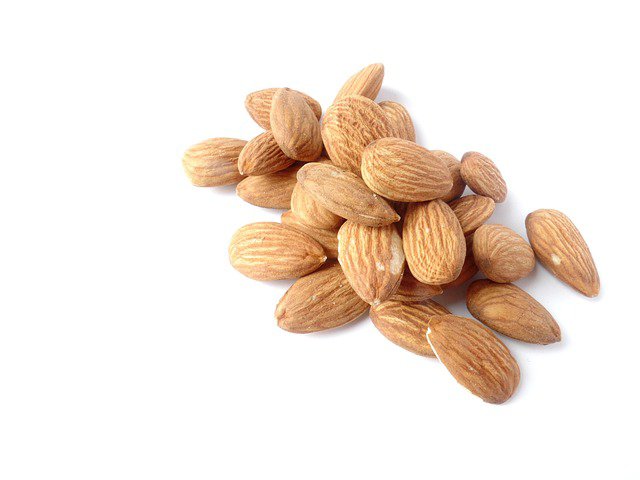
Almonds: Almonds are a nutritious and protein-rich snack option. They also contain healthy fats, fiber, and antioxidants, making them a great choice for weight loss. Just remember to consume them in moderation due to their high calorie content.

Incorporating these protein-rich foods into a balanced diet, combined with regular physical activity, can support your weight loss goals. It’s important to consult with a healthcare professional or registered dietitian for personalized advice and guidance

Is Magnesium the Key to Better Sleep?

Magnesium is often associated with promoting better sleep and is considered to be beneficial for sleep quality. However, while magnesium may have some impact on sleep, it is important to understand that it is not a magical solution for all sleep problems.

Magnesium is an essential mineral that plays a role in many physiological processes in the body, including sleep regulation. It helps activate the parasympathetic nervous system, which is responsible for promoting relaxation and reducing stress. Magnesium also plays a role in the production of the sleep hormone melatonin and helps regulate neurotransmitters involved in sleep-wake cycles.

Research suggests that magnesium supplementation may be helpful for certain sleep-related issues, such as insomnia or restless leg syndrome. However, the evidence is not conclusive, and individual responses to magnesium can vary. Some studies have shown positive effects on sleep quality, while others have not found significant benefits.

It is important to note that improving sleep involves various factors, including maintaining a regular sleep schedule, creating a sleep-friendly environment, managing stress, and adopting healthy sleep habits. While magnesium may be one piece of the puzzle, it is unlikely to be the sole solution for all sleep problems.

Also read: 10 Ways to Fall Asleep Faster

If you are experiencing sleep difficulties, it is recommended to consult with a healthcare professional who can assess your specific situation and provide personalized advice and recommendations.

Lifestyle Changes to Perfecting Your Blood Sugar Levels

To perfect your blood sugar levels, it’s important to maintain a healthy lifestyle and follow a few key strategies. Here are some tips to help you achieve and maintain optimal blood sugar levels:

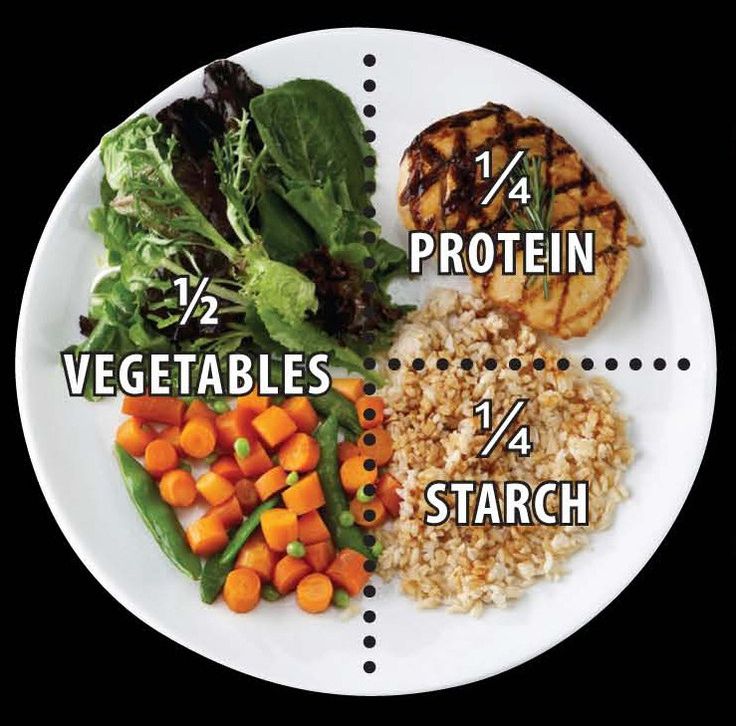
Eat a balanced diet: Focus on consuming a variety of whole, unprocessed foods. Include plenty of vegetables, fruits, lean proteins, whole grains, and healthy fats in your meals. Avoid or minimize sugary foods, refined carbohydrates, and processed snacks.

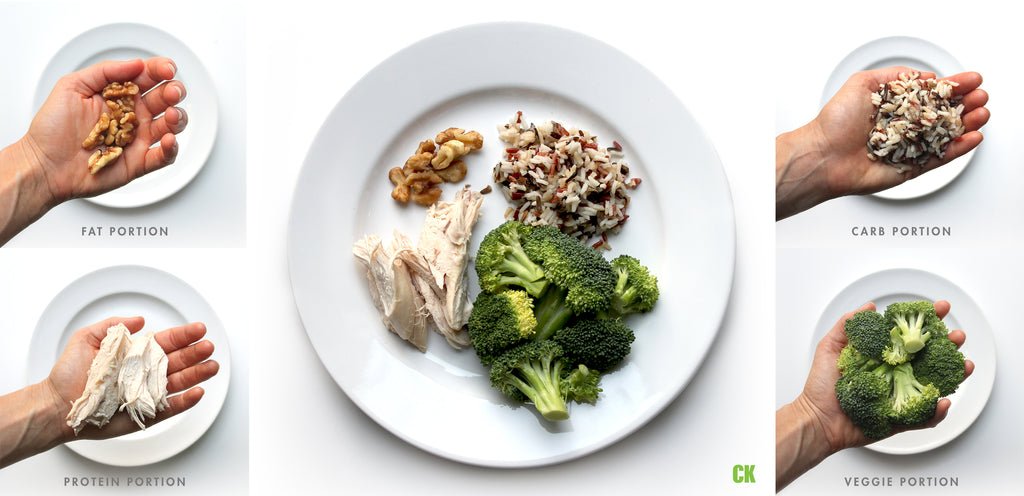
Portion control: Be mindful of portion sizes to avoid overeating. Balancing your carbohydrate intake with proteins and fats can help prevent blood sugar spikes. Consult a registered dietitian or nutritionist for personalized advice.

Choose low glycemic index (GI) foods: Foods with a low GI are digested and absorbed more slowly, resulting in a gradual rise in blood sugar levels. Examples include whole grains, legumes, non-starchy vegetables, and most fruits.

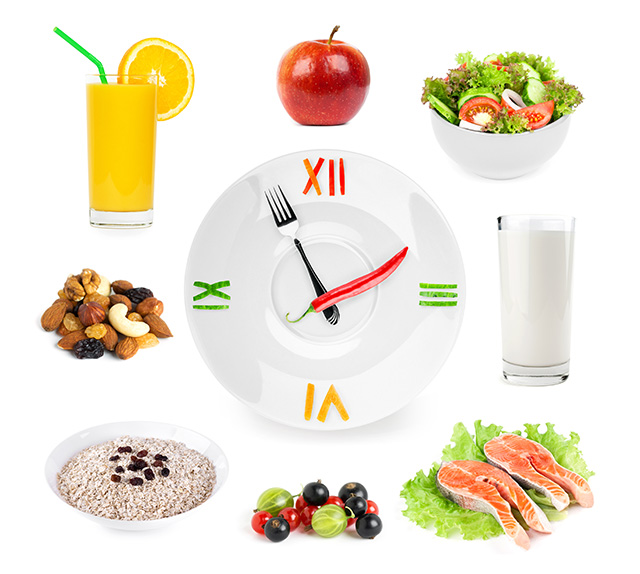
Regular meal timings: Establishing a routine with consistent meal timings can help regulate blood sugar levels. Avoid skipping meals, especially breakfast, as it can lead to unstable blood sugar throughout the day.

Limit sugary beverages: Sugary drinks like soda, fruit juices, and energy drinks can cause significant blood sugar spikes. Opt for water, unsweetened tea, or infused water instead.

Stay hydrated: Drinking an adequate amount of water throughout the day helps maintain overall health and may assist in regulating blood sugar levels.

Engage in regular physical activity: Exercise can improve insulin sensitivity and help your body utilize glucose effectively. Aim for a combination of aerobic exercises, strength training, and flexibility exercises. Consult with your healthcare provider before starting a new exercise program.

Manage stress levels: Chronic stress can elevate blood sugar levels. Find healthy ways to manage stress, such as practicing mindfulness, deep breathing exercises, yoga, or engaging in hobbies you enjoy.

Get enough sleep: Aim for 7-9 hours of quality sleep each night. Poor sleep can disrupt hormonal balance and contribute to insulin resistance.

Monitor your blood sugar: If you have diabetes or suspect blood sugar issues, monitor your blood sugar levels regularly. This can help you understand how your body responds to different foods and activities. Consult with your healthcare provider for personalized guidance.

Remember, it’s always important to consult with a healthcare professional or registered dietitian for personalized advice and to address any specific concerns or conditions related to blood sugar management

These Foods Will Lower Your High Blood Pressure

If you are looking to lower high blood pressure through your diet, several foods may help. These foods are generally low in sodium and high in nutrients that promote heart health. It is important to note that dietary changes alone may not be enough to manage high blood pressure, so you should consult with a healthcare professional for a comprehensive approach. Here are some foods that may be beneficial:

Leafy greens: Leafy green vegetables like spinach, kale, and collard greens are rich in potassium, which can help balance the effects of sodium and reduce blood pressure.

Berries: Blueberries, strawberries, and raspberries contain natural compounds called flavonoids, which have been associated with lower blood pressure.

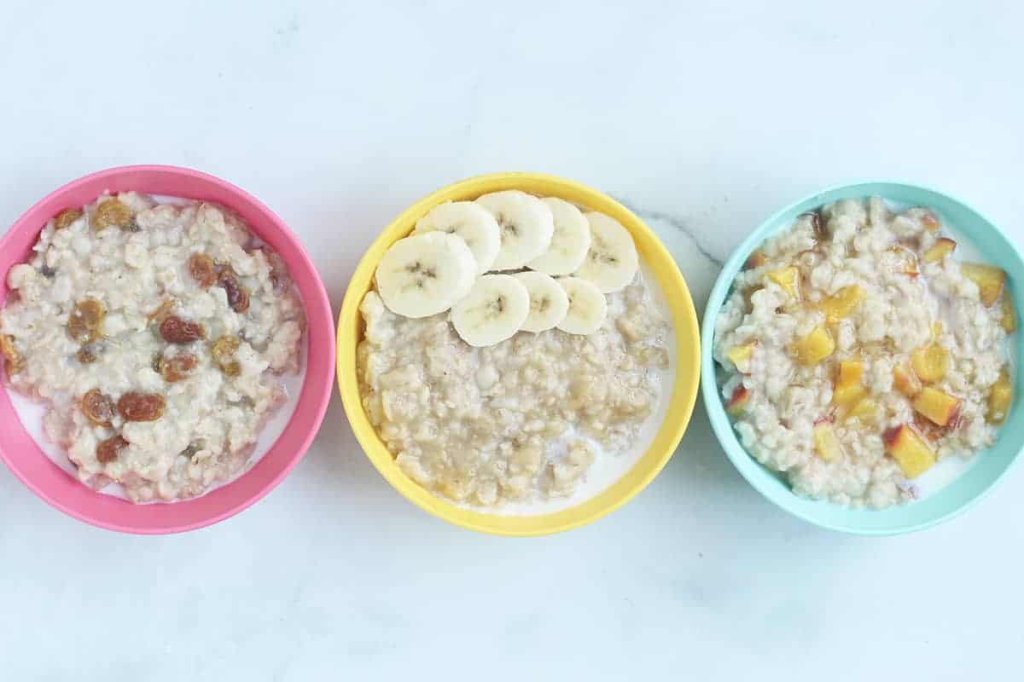
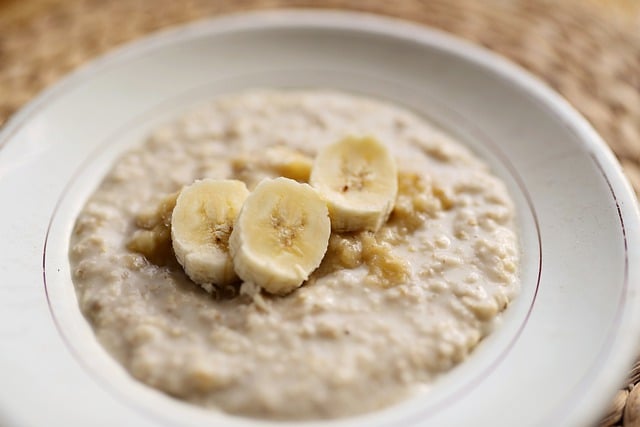
Oatmeal: A bowl of oatmeal in the morning can provide a high-fiber, low-sodium breakfast option. The fiber in oatmeal can help reduce cholesterol levels and support heart health.

Yogurt: Low-fat or Greek yogurt is a good source of calcium and probiotics. Probiotics have been linked to modest reductions in blood pressure.

Salmon: Fatty fish like salmon are rich in omega-3 fatty acids, which have been shown to lower blood pressure and reduce inflammation.

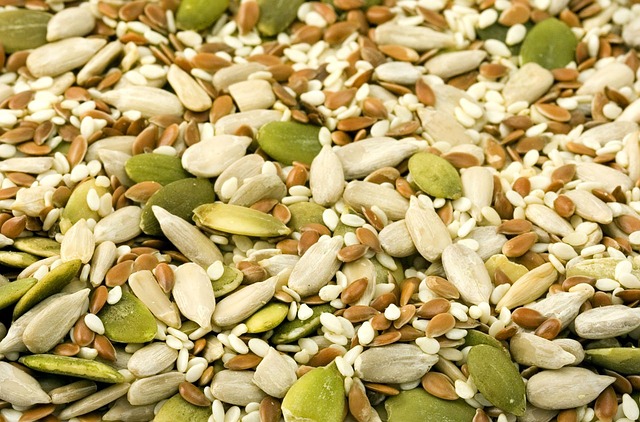
Seeds and nuts: Flaxseeds, chia seeds, and almonds are examples of nutrient-dense options that provide omega-3 fatty acids, fiber, and other heart-healthy nutrients.

Garlic: Garlic contains a compound called allicin, which may help relax blood vessels and lower blood pressure.

Pomegranates: This fruit is rich in antioxidants and natural compounds that can help lower blood pressure and improve overall heart health.

Dark chocolate: Dark chocolate with a high cocoa content (70% or more) contains flavonoids that can help dilate blood vessels and improve blood flow.

Olive oil: Replacing saturated fats like butter with heart-healthy monounsaturated fats, such as olive oil, may help lower blood pressure.

Remember, though incorporating these foods into your diet can be beneficial, it is also important to reduce your overall sodium intake, limit processed and packaged foods, and maintain a healthy weight. Regular exercise and stress management techniques can also contribute to a comprehensive approach in managing high blood pressure.

5 Things your Farts Could be Telling you About Your Health: Do You Fart too much?

Though farting can be a little embarrassing at times, they are a natural part of life and digestion.  Some people find them funny, and others find them gross, but they are all a part of natural digestion. 

Farting is a natural bodily function, and it can vary from person to person based on their diet, lifestyle, and overall health. While occasional changes in fart characteristics are usually nothing to worry about, persistent or drastic changes may indicate underlying health issues. Here are a few things your fart could potentially indicate about your health:

Diet: Farting is primarily influenced by the food you eat. Certain foods, such as beans, cabbage, onions, and spicy or fatty foods, can produce more gas when they are broken down in the digestive system. If you notice that your fart odor or frequency changes after consuming specific foods, it could be a sign that your body is not tolerating them well.

Digestive disorders: Persistent changes in fart characteristics, such as excessive gas, foul odor, or bloating, could be indicative of digestive disorders like Irritable Bowel Syndrome (IBS), lactose intolerance, celiac disease, or Inflammatory Bowel Disease (IBD). If you experience persistent gastrointestinal symptoms along with your fart changes, it would be advisable to consult a healthcare professional for a proper diagnosis.

Gut Microbiome Imbalance: The bacteria living in your gut play a crucial role in digestion, and imbalances in the gut microbiome can affect fart characteristics. Changes in the types of bacteria present in your gut can lead to increased gas production or changes in the smell of your farts. This may be caused by factors like changes in diet, antibiotic use, or certain health conditions.
Malabsorption: If your body has difficulty absorbing certain nutrients, it can lead to changes in fart characteristics. For instance, malabsorption of carbohydrates, such as lactose or fructose, can cause increased gas production and bloating. If you suspect malabsorption, it’s advisable to consult a healthcare professional for evaluation.

Food Intolerances: Some people may have sensitivities or intolerances to certain foods, such as gluten or lactose. Consuming these foods can lead to digestive symptoms, including excessive gas and changes in fart characteristics. If you suspect a food intolerance, it’s best to consult a healthcare professional or a registered dietitian for appropriate testing and guidance.

It’s important to remember that fart characteristics alone may not provide a definitive diagnosis of a specific health condition. If you have concerns about your health, it’s always recommended to consult a healthcare professional for a thorough evaluation and appropriate advice based on your individual circumstances

10 Ways to Fall Asleep Faster: No.3 Always Works for Me

If you are having trouble falling asleep quickly, there are several strategies you can adopt to improve your sleep quality and speed up the process. Here are some tips to help you fall asleep faster:

1. Stick to a consistent sleep schedule: Go to bed and wake up at the same time every day, even on weekends. This helps regulate your body’s internal clock and improves sleep quality.

2. Create a relaxing bedtime routine: Establish a calming routine before bed, such as reading a book, taking a warm bath, or practicing relaxation techniques like deep breathing or meditation. This signals to your body that it’s time to wind down and prepares you for sleep.

3. Make your sleep environment conducive to sleep: Ensure your bedroom is dark, quiet, and at a comfortable temperature. Consider using earplugs, an eye mask, or white noise machines if necessary.

4. Avoid electronic devices before bed: The blue light emitted by electronic screens can interfere with your sleep. Try to avoid using smartphones, tablets, computers, or watching TV at least an hour before bedtime.

5. Limit caffeine and stimulant intake: Avoid consuming caffeine or other stimulants, such as nicotine or alcohol, close to bedtime. These substances can disrupt sleep patterns and make it harder to fall asleep.

6. Get regular exercise: Engage in regular physical activity during the day, as it can help regulate your sleep patterns and promote better sleep. However, avoid vigorous exercise close to bedtime, as it may make it more difficult to fall asleep.

7. Create a comfortable sleep environment: Invest in a supportive mattress, comfortable pillows, and breathable bedding to ensure your sleep environment is comfortable and conducive to sleep.

8. Manage stress: Stress and anxiety can interfere with your ability to fall asleep. Consider incorporating stress-management techniques into your daily routine, such as journaling, practicing relaxation exercises.

9. Limit daytime napping: If you have trouble falling asleep at night, avoid long daytime naps or limit them to short power naps early in the day. This helps regulate your sleep-wake cycle and promotes better nighttime sleep.

10. Consider natural sleep aids: Certain natural remedies, such as herbal teas (e.g., chamomile or valerian root), melatonin supplements, or lavender aromatherapy, may help promote relaxation and better sleep. Consult with a healthcare professional before trying any new sleep aids.

Remember that everyone is different, so it may take some trial and error to find what works best for you. If you continue to experience persistent sleep difficulties, it’s a good idea to consult with a healthcare professional for further evaluation and guidance

Design a site like this with WordPress.com
Get started