Eating late at night can potentially have various effects on the brain and body. I know it can be very difficult for some people to stop eating late at night because of the nature of their work. But let me ask you, which is more important to you, your health or your work? In case you didn’t know what happens to your brain and body when you eat late here are a few:
1. Digestion and Metabolism:
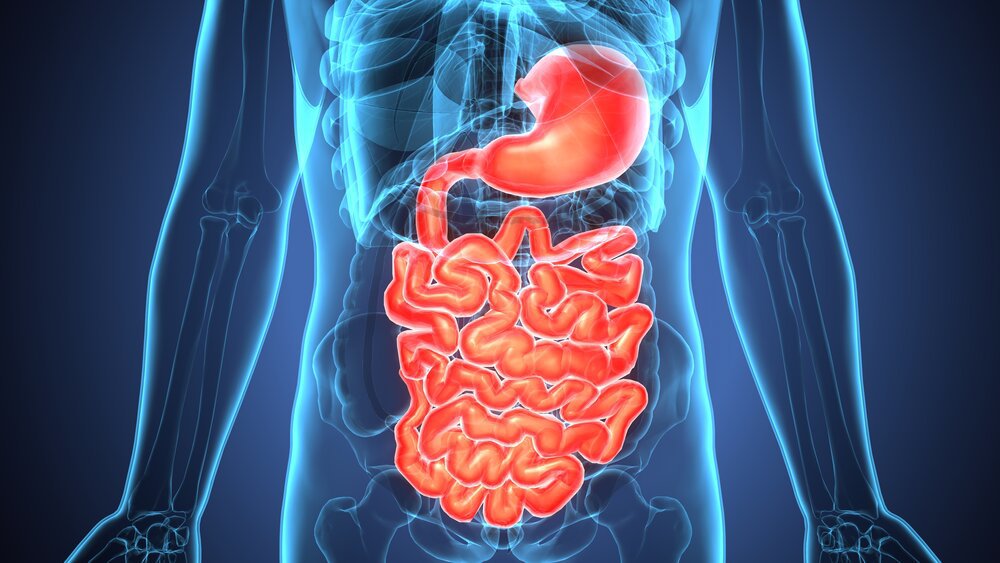
When you eat late, your body initiates the process of digestion, which requires energy and resources. This can potentially disrupt your natural circadian rhythm, ( this is the internal clock that regulates various physiological processes), including sleep. Late-night eating may lead to a slower metabolism and impaired digestion due to reduced activity levels during nighttime.
2. Sleep Disturbances:
Consuming a large meal close to bedtime can make it difficult to fall asleep. It can also disrupt the quality of your sleep. Digestion requires energy, and your body may be more active during the night to process the food, potentially leading to restlessness, discomfort, or indigestion that interferes with sleep.

3. Blood Sugar Regulation:
Eating late, especially meals high in refined carbohydrates or sugars can cause spikes in blood sugar levels. The body releases insulin to help regulate blood sugar, which can affect neurotransmitter levels and potentially impact brain function. Fluctuating blood sugar levels may contribute to mood swings, decreased cognitive function, and increased risk of developing insulin resistance over time.

4. Weight Management:
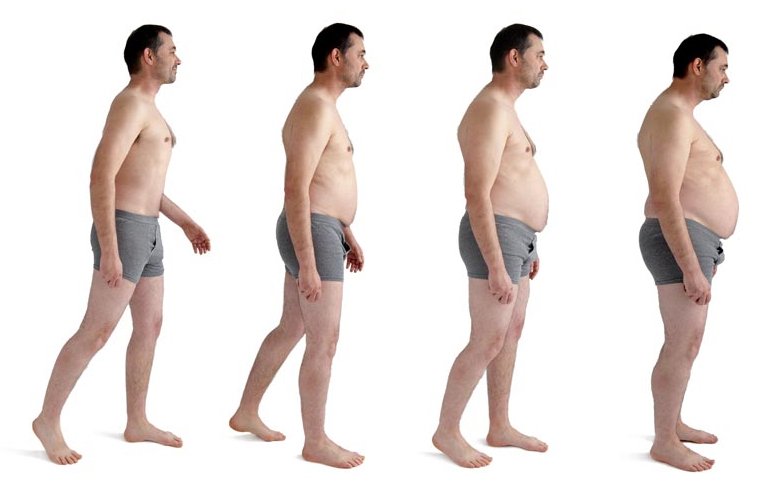
Late-night eating can lead to weight gain or difficulties in weight management. The body’s metabolism naturally slows down in the evening, and eating excess calories late at night may result in increased fat storage. Also, certain hormonal changes associated with disrupted sleep patterns can affect appetite regulation and increase cravings for unhealthy foods.
5. Cognitive Performance:
Eating late at night may impact cognitive performance the next day. The disrupted sleep, inadequate rest, or discomfort caused by late-night digestion can lead to decreased focus, impaired memory, and reduced overall cognitive function.

It is important to note that individual responses to late-night eating can vary, and sometimes late meals may not have a significant impact on everyone. However, having a consistent eating pattern and allowing an adequate gap between meals and sleep is generally advised for maintaining overall health and well-being.
 Stay Healthy with Asantewaa