
To perfect your blood sugar levels, it’s important to maintain a healthy lifestyle and follow a few key strategies. Here are some tips to help you achieve and maintain optimal blood sugar levels:
Eat a balanced diet: Focus on consuming a variety of whole, unprocessed foods. Include plenty of vegetables, fruits, lean proteins, whole grains, and healthy fats in your meals. Avoid or minimize sugary foods, refined carbohydrates, and processed snacks.

Portion control: Be mindful of portion sizes to avoid overeating. Balancing your carbohydrate intake with proteins and fats can help prevent blood sugar spikes. Consult a registered dietitian or nutritionist for personalized advice.

Choose low glycemic index (GI) foods: Foods with a low GI are digested and absorbed more slowly, resulting in a gradual rise in blood sugar levels. Examples include whole grains, legumes, non-starchy vegetables, and most fruits.

Regular meal timings: Establishing a routine with consistent meal timings can help regulate blood sugar levels. Avoid skipping meals, especially breakfast, as it can lead to unstable blood sugar throughout the day.

Limit sugary beverages: Sugary drinks like soda, fruit juices, and energy drinks can cause significant blood sugar spikes. Opt for water, unsweetened tea, or infused water instead.

Stay hydrated: Drinking an adequate amount of water throughout the day helps maintain overall health and may assist in regulating blood sugar levels.

Engage in regular physical activity: Exercise can improve insulin sensitivity and help your body utilize glucose effectively. Aim for a combination of aerobic exercises, strength training, and flexibility exercises. Consult with your healthcare provider before starting a new exercise program.
Manage stress levels: Chronic stress can elevate blood sugar levels. Find healthy ways to manage stress, such as practicing mindfulness, deep breathing exercises, yoga, or engaging in hobbies you enjoy.

Get enough sleep: Aim for 7-9 hours of quality sleep each night. Poor sleep can disrupt hormonal balance and contribute to insulin resistance.

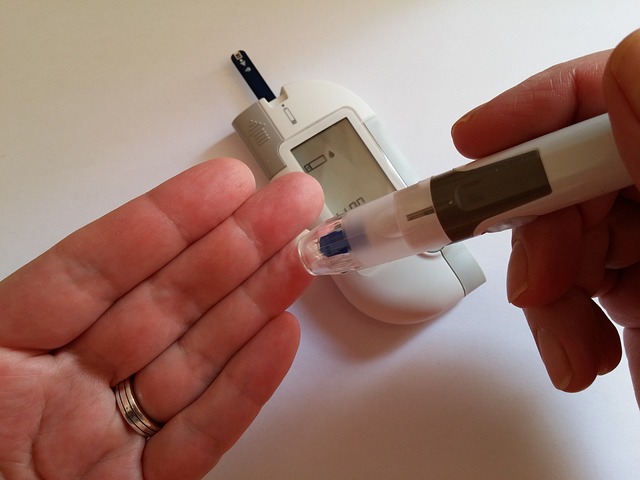
Monitor your blood sugar: If you have diabetes or suspect blood sugar issues, monitor your blood sugar levels regularly. This can help you understand how your body responds to different foods and activities. Consult with your healthcare provider for personalized guidance.
Remember, it’s always important to consult with a healthcare professional or registered dietitian for personalized advice and to address any specific concerns or conditions related to blood sugar management
 Stay Healthy with Asantewaa