
Though farting can be a little embarrassing at times, they are a natural part of life and digestion. Some people find them funny, and others find them gross, but they are all a part of natural digestion.
Farting is a natural bodily function, and it can vary from person to person based on their diet, lifestyle, and overall health. While occasional changes in fart characteristics are usually nothing to worry about, persistent or drastic changes may indicate underlying health issues. Here are a few things your fart could potentially indicate about your health:
Diet: Farting is primarily influenced by the food you eat. Certain foods, such as beans, cabbage, onions, and spicy or fatty foods, can produce more gas when they are broken down in the digestive system. If you notice that your fart odor or frequency changes after consuming specific foods, it could be a sign that your body is not tolerating them well.

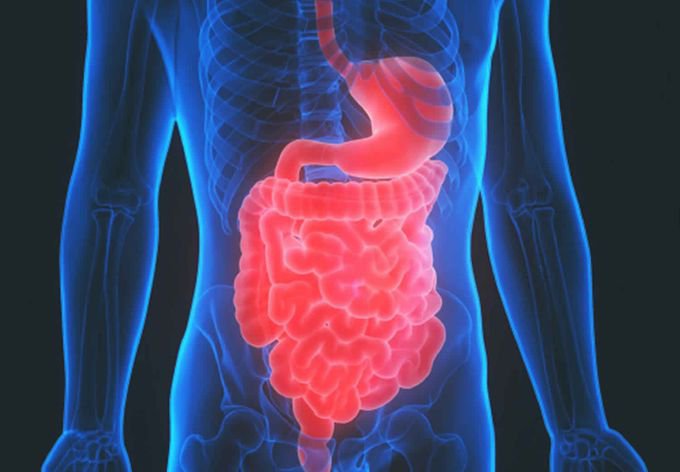
Digestive disorders: Persistent changes in fart characteristics, such as excessive gas, foul odor, or bloating, could be indicative of digestive disorders like Irritable Bowel Syndrome (IBS), lactose intolerance, celiac disease, or Inflammatory Bowel Disease (IBD). If you experience persistent gastrointestinal symptoms along with your fart changes, it would be advisable to consult a healthcare professional for a proper diagnosis.

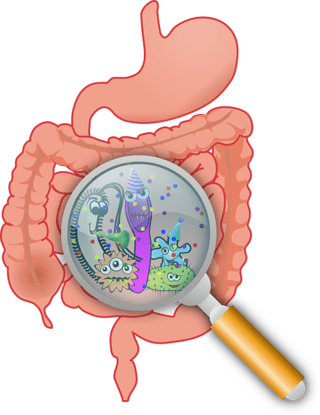
Gut Microbiome Imbalance: The bacteria living in your gut play a crucial role in digestion, and imbalances in the gut microbiome can affect fart characteristics. Changes in the types of bacteria present in your gut can lead to increased gas production or changes in the smell of your farts. This may be caused by factors like changes in diet, antibiotic use, or certain health conditions.
Malabsorption: If your body has difficulty absorbing certain nutrients, it can lead to changes in fart characteristics. For instance, malabsorption of carbohydrates, such as lactose or fructose, can cause increased gas production and bloating. If you suspect malabsorption, it’s advisable to consult a healthcare professional for evaluation.
Food Intolerances: Some people may have sensitivities or intolerances to certain foods, such as gluten or lactose. Consuming these foods can lead to digestive symptoms, including excessive gas and changes in fart characteristics. If you suspect a food intolerance, it’s best to consult a healthcare professional or a registered dietitian for appropriate testing and guidance.

It’s important to remember that fart characteristics alone may not provide a definitive diagnosis of a specific health condition. If you have concerns about your health, it’s always recommended to consult a healthcare professional for a thorough evaluation and appropriate advice based on your individual circumstances
 Stay Healthy with Asantewaa