
Certain foods are good for your cholesterol and your heart health. Some have direct effects on reducing LDL and/or triglycerides. Others are more filling and, if they’re low in calories, help with weight loss. Importantly, by consuming these healthier options, you’re limiting other foods that adversely affect your cholesterol and heart health. Maintaining healthy cholesterol levels is important for overall cardiovascular health. Here are some foods that can help improve your cholesterol profile
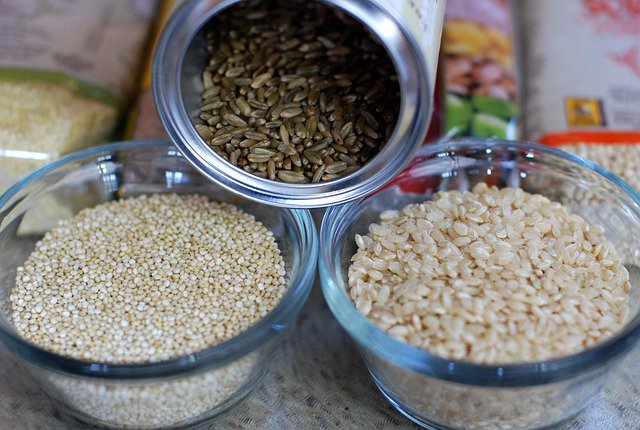
Oats and Whole Grains: Oats contain a type of soluble fiber called beta-glucan, which can help lower LDL cholesterol levels. Include whole grains like barley, quinoa, brown rice, and whole wheat bread in your diet. Higher fiber intake is associated with better cardiovascular health and weight control, lower total cholesterol and blood pressure, and a reduced risk of type 2 diabetes and certain cancers.
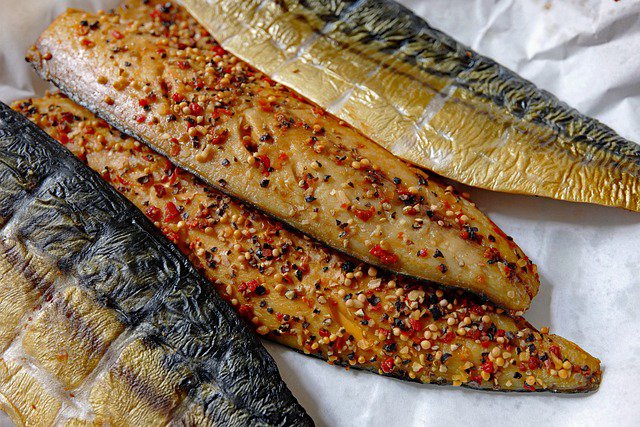
Fatty Fish: Omega-3 fatty acids found in fish like salmon, mackerel, sardines, and trout have been shown to reduce triglyceride levels and increase HDL cholesterol. Aim for at least two servings of fatty fish per week. Cold-water fatty fish—such as halibut, herring, and tuna are also among the richest sources of the omega-3 fatty acids EPA and DHA. These polyunsaturated fats are associated with good cardiovascular health and may help lower triglycerides. Plus, baked, grilled, or poached fish generally are more healthy choices than fatty red or processed meats
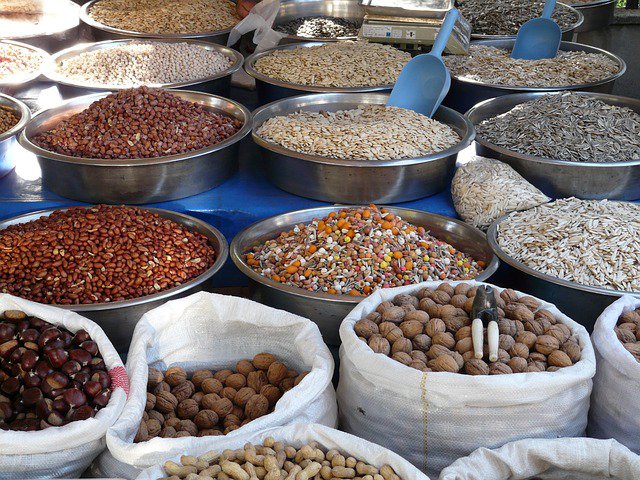
Nuts and Seeds: Almonds, walnuts, flaxseeds, chia seeds, and hemp seeds are rich in healthy fats, fiber, and plant sterols, which can help lower LDL cholesterol levels. Incorporating nuts and seeds in your diet, especially in place of unhealthy fat sources, may help improve your cholesterol levels and support your cardiovascular health, some evidence suggests. One study found that eating peanuts or tree nuts twice or more a week or walnuts at least once a week was linked with a 15 to 23 percent reduced risk of coronary heart disease and a 13 to 19 percent decreased risk of cardiovascular disease.
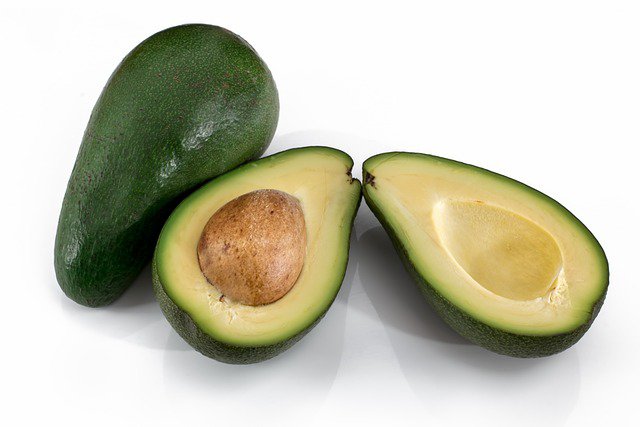
Avocados: Avocados are a great source of monounsaturated fats, which can help increase HDL cholesterol and lower LDL cholesterol when used as a substitute for saturated fats. In one study, obese/overweight people who ate a moderate-fat diet with one Hass avocado a day for five weeks experienced 9-percent reductions in oxidized LDL (which plays a key role in atherosclerosis) that also correlated with reductions in the number of small, dense LDL particles (The Journal of Nutrition, February 2020). Incorporate avocados into salads and on sandwiches, as well as stand-alone side dishes. Just remember that one avocado has about 230 calories, so be aware of what that can do to your daily calorie count.
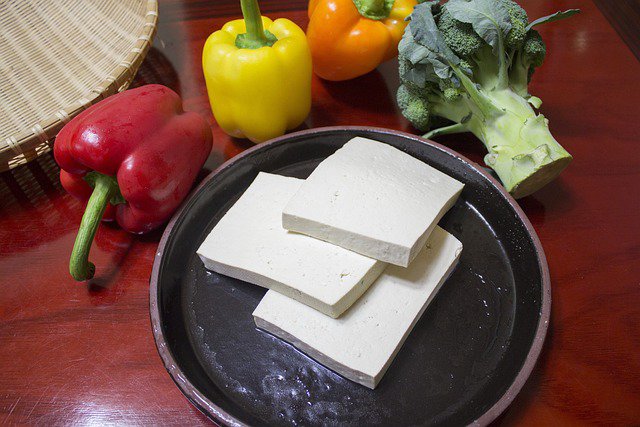
Soy Products: Foods like tofu, and tempeh contain plant compounds called isoflavones that can help lower LDL cholesterol. Choose minimally processed soy products.
Green and Black Tea: Green tea is prepared from unfermented leaves and black tea from fully fermented leaves of the same plant. Green tea is rich in antioxidants and has been associated with improved cholesterol levels. Black tea can also have a positive impact on cholesterol but to a lesser extent than its green variant. This is mainly because of the different amounts of catechins in the teas. Aim for 2-3 cups per day.

Remember, while these foods can be beneficial for cholesterol, it’s also important to adopt an overall healthy lifestyle that includes regular physical activity, avoiding smoking, and maintaining a healthy weight. Additionally, if you have specific dietary concerns or medical conditions, it’s always a good idea to consult with a healthcare professional or a registered dietitian.
 Stay Healthy with Asantewaa