
As much as we rely on food for nourishment and pleasure, it is important to remember that what we eat can also have a significant impact on our mental and emotional well-being. Some foods are known to trigger stress, anxiety, and even depression in some individuals.

Here are some foods that could be stressing you out:

- Caffeine: While caffeine can give you a much-needed boost of energy, it can also lead to jitters, anxiety, and irritability. For some people, consuming caffeine late in the day can also interfere with sleep, leading to additional stress and fatigue.
- Sugar: Foods that are high in sugar, such as candy, soda, and pastries, can cause your blood sugar levels to spike and then crash, leaving you feeling irritable and fatigued. This rollercoaster effect can contribute to stress and mood swings.
- Alcohol: While a glass of wine or a beer may help you relax in the short term, excessive alcohol consumption can lead to anxiety and depression. Alcohol can also disrupt your sleep, leaving you feeling stressed and groggy the next day.
- Fried and processed foods: Highly-processed foods are also associated with increased systemic inflammation. Foods that are high in unhealthy fats, such as fried chicken and potato chips, can contribute to inflammation in the body. Inflammation has been linked to a range of mental health conditions, including anxiety and depression. This isn’t just about the occasional slice of pizza or dish of ice cream. Those may actually relieve stress in other ways—for example, by socializing with friends and family, or making us feel good when we eat them. Rather, the nutritional stress comes from:
- Eating a lot of highly-processed foods in total
- Having those foods make up a large proportion of your diet (that is, more than an occasional treat)
- Dairy: For some people, consuming dairy products can lead to digestive issues, such as bloating and cramping. These physical symptoms can contribute to stress and anxiety.
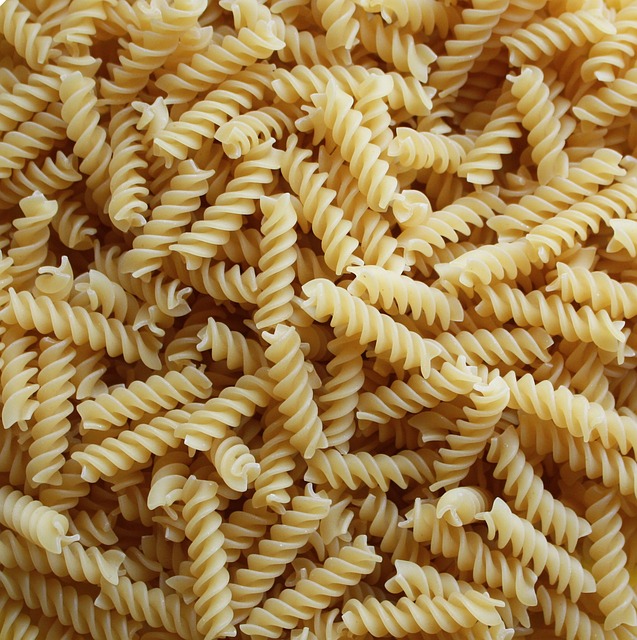
- Gluten: People with celiac disease or gluten sensitivity may experience anxiety and depression when consuming gluten-containing foods, such as bread and pasta. This is due to the way gluten interacts with the gut and the brain.
While everyone’s body reacts differently to food, it’s worth paying attention to how the foods you eat make you feel. If you notice that certain foods consistently leave you feeling stressed or anxious, it may be worth considering reducing or eliminating them from your diet.
 Stay Healthy with Asantewaa