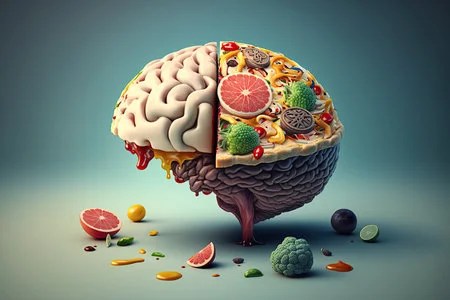
The brain is one of the most complex organs in the human body, and it requires a lot of energy to function properly. What we eat has a direct impact on the health and function of our brains, and there is a growing body of research that suggests that our diet can have a significant impact on our cognitive abilities, mood, and overall mental health.

One of the key components of a brain-healthy diet is a good balance of macronutrients, including carbohydrates, protein, and fat. Carbohydrates provide glucose, which is the brain’s primary source of energy. However, it’s important to choose complex carbohydrates, such as whole grains and vegetables, which are digested more slowly and provide a more sustained source of energy. Protein is also important for the brain, as it provides the building blocks for neurotransmitters, which are essential for communication between brain cells. Finally, healthy fats, such as those found in nuts, seeds, and fatty fish, are important for brain function and can help improve mood and cognitive function.
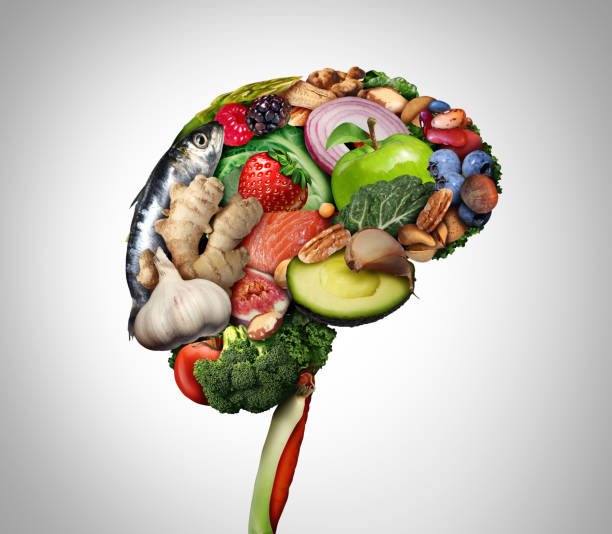
In addition to macronutrients, certain micronutrients are also important for brain health. For example, omega-3 fatty acids, which are found in fatty fish and certain plant-based foods, have been shown to be important for cognitive function and mood regulation. B vitamins, including folate, B6, and B12, are also important for brain health, as they play a role in neurotransmitter synthesis and can help reduce the risk of cognitive decline and dementia.

On the other hand, diets that are high in saturated and trans fats, sugar, and processed foods have been linked to a variety of negative health outcomes, including cognitive decline, depression, and anxiety. These types of foods can cause inflammation in the body, which can lead to damage to brain cells and impair cognitive function.
It’s also important to note that the timing and frequency of meals can impact brain function. Research suggests that skipping meals or eating irregularly can lead to cognitive impairment, while eating frequent, small meals throughout the day can help maintain steady glucose levels and improve cognitive function.
In summary, what we eat has a direct impact on the health and function of our brains. A diet that is rich in complex carbohydrates, healthy fats, and lean protein, and includes plenty of fruits, vegetables, and whole grains, is essential for maintaining optimal brain health. Conversely, diets that are high in saturated and trans fats, sugar, and processed foods can lead to inflammation, cognitive decline, and other negative health outcomes. By paying attention to what we eat, we can help support our brain health and cognitive function throughout our lives.
 Stay Healthy with Asantewaa